Meeting the Tactile Expectations of Modern Beauty Consumers
The physical beauty retail environment has evolved rapidly over recent years. Today's consumers arrive at your counter well-researched, hyper-aware of social media trends, and visually demanding. When they walk into a physical store, they expect a tactile, engaging experience that online shopping simply cannot replicate. Brands that fail to modernize their display hardware risk being passed over for competitors with sleeker counter environments.
Sanitary testing setups are essential for buildin
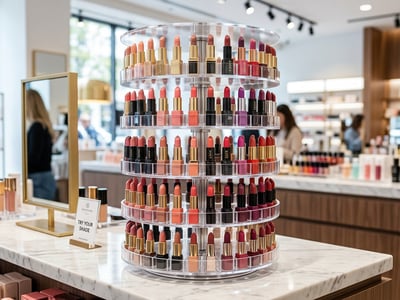
g trust in lip color sales. Integrating a hygienic
Navigating complex foundation lines can intimidate even experienced makeup buyers. A well-engineered
Eye products like mascara demand vertical real estate to stand out on crowded counters. Using a dedicated vertical
High-end makeup brushes require open-touch environments so shoppers can test bristle softness firsthand. Installing an interactive
Skincare consumers don't just buy individual products—they invest in entire skincare routines. Arranging serums, toners, and moisturizers on a cohesive
Nail color displays require smooth customer interaction as shoppers hunt for specific shades. A dynamic, smooth-turning
Before committing to full-scale store rollouts, prototyping is essential to verify structural integrity. Utilizing professional
Bringing modern retail concepts to life requires a deep understanding of store flow, material durability, and consumer psychology. Partnering with a proven


Comments
Post a Comment